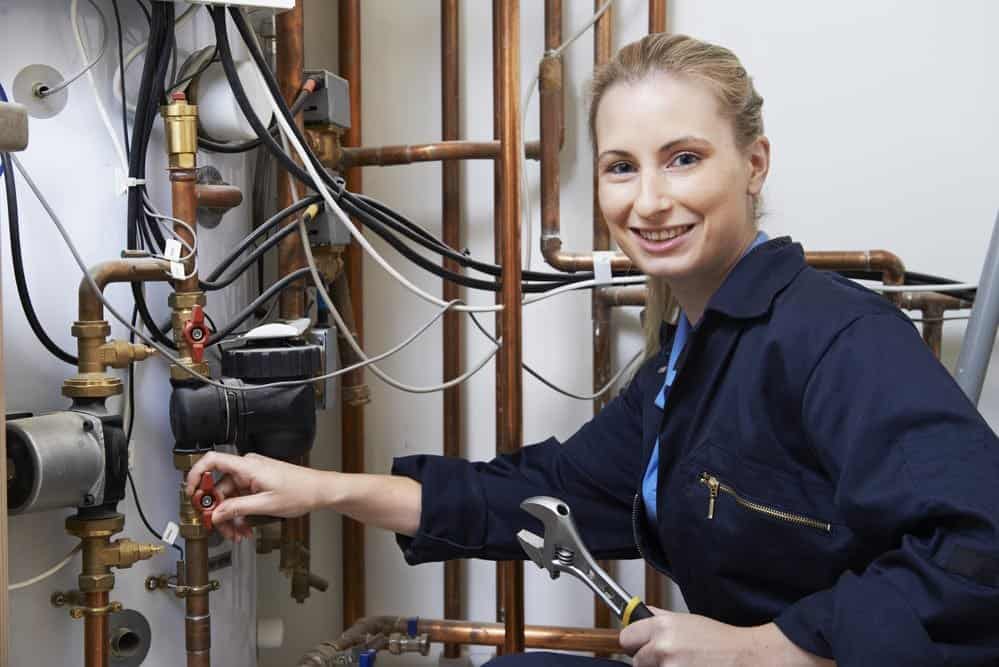
Plumbing offers a well-paid, practical career path for women in the UK, and demand for a skilled female plumber continues to outstrip supply. Whether you are considering retraining, starting a trade business, or you simply want to hire a woman to carry out work in your home, this guide covers the current market, typical earnings, training routes, and the best places to find a qualified female plumber near you.
Why plumbing is a strong career move for women
The UK trades sector remains male-dominated. Stopcocks Women Plumbers estimates that only around 1% of UK plumbers are women. That under-representation creates a clear commercial opportunity for women entering the field.
Plumbing combines practical problem-solving with physical work, and it offers genuine financial independence. You can work as an employee, become self-employed, or eventually build a team. Many women retrain later in life; there is no upper age limit for starting an apprenticeship or college course. If you are returning to work after a break, our guide to career change at 40 sets out the wider steps for moving into a new profession.
Demand for female plumbers
Customer demand is strong and specific. Watersafe consumer research has found that many women would prefer to hire a woman plumber for work in their home. Safety is frequently cited as the leading reason, followed by concerns about being patronised, receiving a fair price, and trusting the advice given.
With only a tiny proportion of plumbers currently women, the gap between supply and demand represents a real market opening for women-led plumbing businesses.
What you can earn as a plumber
Plumbing pays well, particularly once you are qualified and especially if you work for yourself. According to ONS data for 2024, the median gross annual pay for full-time plumbers and heating/ventilating engineers in the UK was around £36,000. Newly qualified employed plumbers usually start below this figure, while experienced self-employed plumbers and gas heating specialists can earn significantly more, depending on location, specialism, and whether they run their own business.
Self-employment is common in the trade. Setting up as a sole trader or limited company gives you control over your diary, your rates, and the customers you serve. If you are weighing up the right business structure, our article on sole trader vs limited company explains how the choice affects tax, liability, and administration.
How to qualify and get started
There are two main routes into plumbing in the UK: a college course followed by work experience, or an apprenticeship.
College courses and apprenticeships
Most further education colleges offer plumbing qualifications. The standard entry-level qualification is the Level 2 Diploma in Plumbing and Domestic Heating, which takes around one year full time. A Level 3 qualification then builds the technical knowledge needed for more complex work.
Apprenticeships combine paid work with study. The Plumbing and Domestic Heating Technician apprenticeship, approved by the Institute for Apprenticeships and Technical Education, typically takes around four years and leads to a recognised qualification. You can search for vacancies through the gov.uk Find an Apprenticeship service or through your local college.
Get on the Gas Safe Register
If you want to work on gas appliances, you must be on the Gas Safe Register. It is a legal requirement for anyone carrying out gas work in the UK. Registration involves proving your competence through relevant qualifications and paying an annual fee. Unregistered gas work is illegal and dangerous.
How to find a female plumber near you
If you need plumbing work done and would prefer to hire a woman, try these approaches.
Use specialist directories first
Stopcocks Women Plumbers runs a national network of women plumbers and can help you find an installer in your area. Watersafe also provides a search tool for approved plumbers, including women-led businesses. Both directories focus on qualified, competent professionals.
Search general trade platforms
Websites such as Checkatrade, Rated People, and TrustATrader let you search for plumbers by location and read customer reviews. While they do not always have a dedicated “female plumber” filter, you can use the search box or post a job specifying that you would like quotes from women tradespeople.
Ask local networks for recommendations
Facebook community groups, Nextdoor, and local women in business networks can be useful sources of personal recommendations. Word of mouth remains one of the most reliable ways to find a trustworthy tradesperson. You can also explore women in business networks UK for connections to women-led service providers.
Practical next steps to take
- If you want to become a plumber: contact your local FE college, search gov.uk Find an Apprenticeship, and speak to Stopcocks Women Plumbers about training and mentorship.
- If you want to work for yourself: decide on sole trader or limited company status, register for tax, and consider business insurance.
- If you want to hire a female plumber: search Stopcocks Women Plumbers and Watersafe first, then widen your search to Checkatrade, Rated People, and local community groups.
- Always check Gas Safe registration before anyone works on your boiler or gas appliances.
Whether you are picking up the tools or booking someone else to use them, the market for a skilled female plumber in the UK is strong. With the right training, registration, and business setup, women can build a secure, well-paid trade career or a thriving plumbing business.