Running a business demands energy, focus, and resilience. The connection between a healthy body, healthy mind, and healthy business is not motivational fluff; it is backed by UK health data and the experience of women founders who have built sustainable companies. If you are relying on caffeine to get through the afternoon, waking up sluggish, or losing your temper over minor setbacks, small changes to your movement habits can improve both your wellbeing and your decision-making.
Why a healthy body, healthy mind, and healthy business are connected
Physical activity affects the same skills you use to run a company: problem-solving, emotional regulation, sleep quality, and stamina. According to the NHS, adults should aim for at least 150 minutes of moderate intensity physical activity a week, plus strength exercises on two or more days. Meeting this target supports cardiovascular health, bone strength, and mental clarity.
The Mental Health Foundation notes that regular physical activity can reduce the risk of depression by up to 30%. For business owners, that protective effect matters. The Health and Safety Executive reported that in 2023/24, 776,000 workers in Great Britain were suffering from work-related stress, depression or anxiety, and 17.1 million working days were lost to these conditions. When you are the business, lost days have a direct financial impact.
The business cost of stress and inactivity
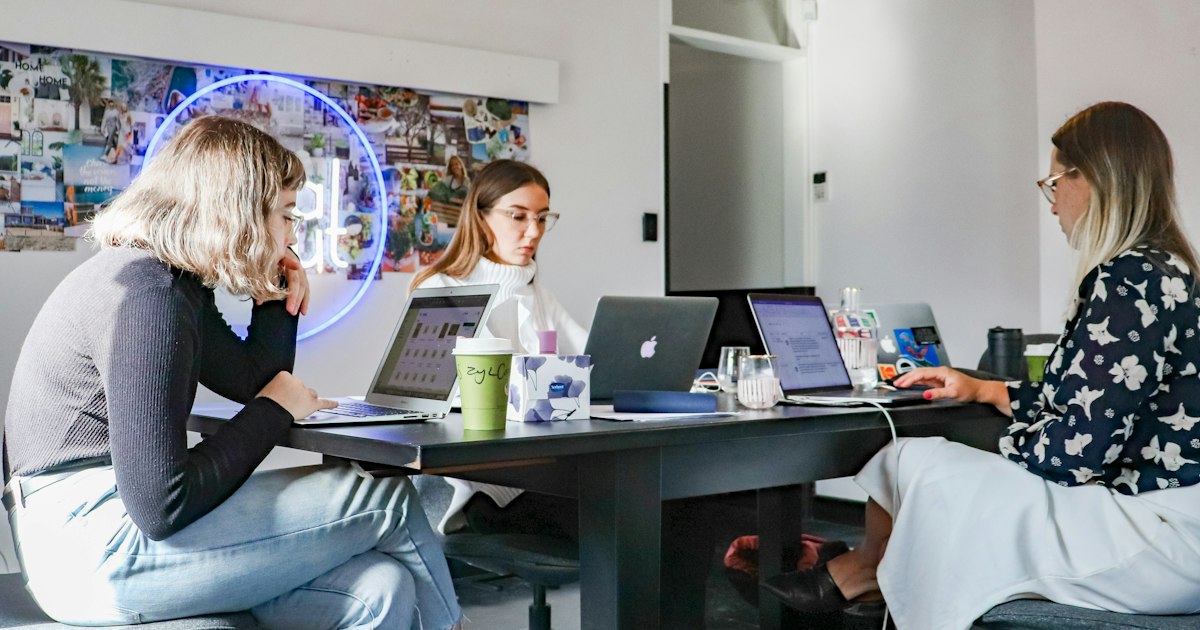
Many women-led businesses are run from home offices, kitchen tables, or co-working desks. Long hours in front of a screen create a sedentary routine that the UK Chief Medical Officers’ Physical Activity Guidelines specifically warn against. They advise reducing extended periods of sitting and breaking up inactive time with light movement.
The Office for National Statistics continues to track the growth of self-employment among women, with many running businesses while managing caring responsibilities. You can see the broader picture in our women in business key facts page. Without the structure of a commute or a workplace, it is easy for movement to drop off your schedule entirely. That is why intention matters more than intensity.
What the NHS recommends for active adults
The current NHS guidance for adults aged 19 to 64 is straightforward:
- Aim for at least 150 minutes of moderate intensity activity every week, such as brisk walking or cycling.
- Do strength exercises that work all major muscle groups on at least two days a week.
- Reduce time spent sitting or lying down, and break up long periods of not moving with some activity.
- Older adults should also include activities that improve balance and flexibility.
Moderate intensity means your heart rate increases, you breathe faster, and you feel warmer. You should still be able to talk but not sing. This level of activity is achievable for most business owners without specialist equipment.
Practical ways to build movement into your working week
You do not need a gym membership or hours of free time. The goal is consistency, not athletic performance. Here are practical ways to make movement part of your working week:
- Walk before or between calls. A ten-minute walk after a video call clears your head and resets your posture.
- Stand up every hour. Set a timer or use a standing desk for part of the day. Small posture changes reduce fatigue.
- Combine networking with movement. Suggest a walking meeting or join a local business walking group.
- Stack exercise onto existing habits. Pair a daily task, such as checking emails, with a short stretch or walk.
- Track progress loosely. A simple weekly step count or activity diary helps you spot patterns without adding pressure.
Sleep, recovery, and mental health
Exercise supports sleep, and sleep supports judgment. The NHS recommends that most adults need between seven and nine hours of sleep a night. Poor sleep affects concentration, emotional control, and the ability to weigh risk, all of which are central to running a business.
If you are self-employed or leading a small team, the line between work and rest can blur. Resources such as our free workplace mental health tips and guidance on maintaining work-life balance while working from home can help you build sustainable routines.
For those with a home office, home office ergonomics can reduce the physical strain that leads to headaches, back pain, and low energy. A comfortable setup makes it easier to stay active and alert.
Action steps
- Check your current weekly activity against the NHS 150-minute guideline.
- Schedule three 20-minute walks or movement sessions into your diary as non-negotiable appointments.
- Review your workstation setup and add one ergonomic change this week.
- Set a boundary for the end of your working day to protect sleep and recovery.
- Track your energy and productivity for two weeks to see how movement affects your business output.
Conclusion
A healthy body, healthy mind, and healthy business reinforce each other. You do not need to overhaul your life. Start with one or two small changes, protect your rest, and treat movement as part of your business strategy rather than an optional extra. The result is likely to be better decisions, steadier energy, and a business that can keep pace with your ambitions.