When I started my second business offering career coaching to women, I had just completed a year of part-time training and my training business was going through a quiet patch. I had almost no reserves, yet I launched anyway. Not having enough money for a new website felt daunting, especially because my first training site had been a significant but worthwhile investment. That experience taught me that you do not need a large budget to build a credible, sustainable service business.
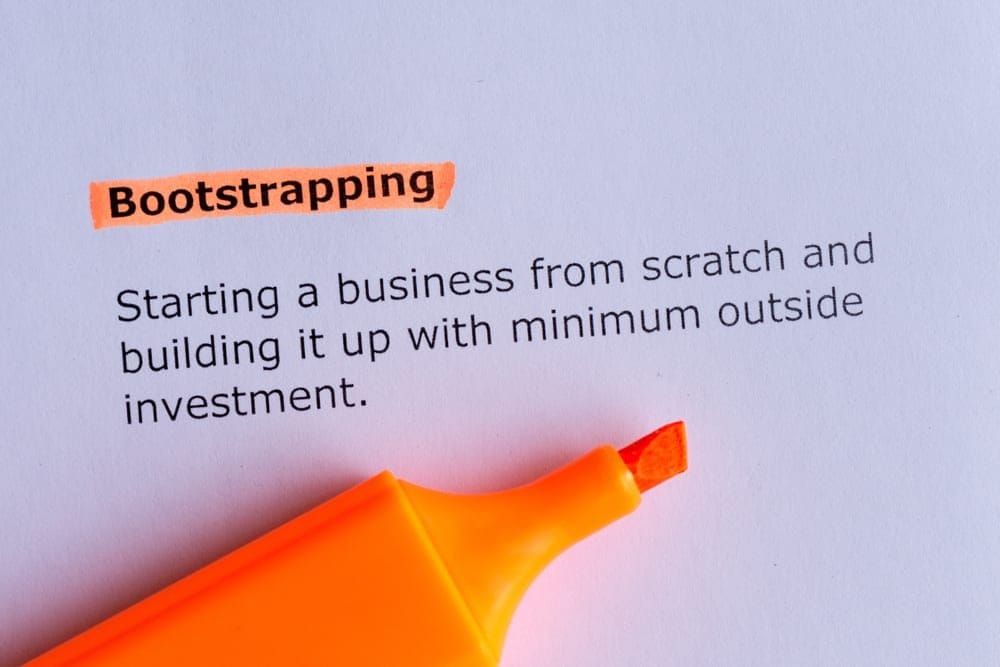
Bootstrapping your business, growing it with little or no external funding, remains one of the most common routes for UK founders. According to Women in Business: Key UK Facts, women-led businesses now account for 20% of UK SMEs, based on the 2024 Rose Review of Female Entrepreneurship. The British Business Bank’s Small Business Finance Markets 2025 report confirms that personal savings remain the most common source of start-up finance, and women-led firms are especially likely to self-fund in the early stages. With all-female founder teams receiving only around 2% of UK venture capital in 2024, according to Beauhurst, keeping costs low is not just a preference for many women; it is a practical necessity.
So what helped me start my service business on a shoestring, and how could it help you?
Consider bartering or trading your service
Trading services gave me a professional coaching website, plus valuable marketing and finance advice, without an upfront cash outlay. Bartering can be particularly useful for service-based founders who need design, copywriting, bookkeeping or IT support but cannot yet afford to pay market rates.
It is important to remember that trading still costs you time. You should also treat the exchange like any other business transaction for tax and VAT purposes. HMRC expects you to record the market value of goods or services exchanged, and if you are VAT registered, VAT may be due on the value of the services. The VAT registration threshold for 2026/27 remains £90,000, according to HMRC. From April 2026, HMRC’s Making Tax Digital for Income Tax Self Assessment also applies to sole traders and landlords with turnover above £50,000, so digital record-keeping becomes essential. Keep clear written agreements so both parties understand deliverables, deadlines and values. For more on what you can claim, see our guide to allowable expenses for the self-employed.
Some founders continue to trade beyond start-up; others switch to paid suppliers as soon as revenue allows. Either way, bartering works best with people you know and trust. When skills and expectations are well matched, both businesses benefit, especially when two start-ups decide to help each other grow.
Choose the right learning events and online forums
You can gain an enormous amount of business knowledge from the right networking events, workshops and conferences, as well as useful contacts. Today the UK offers a wide range of free and low-cost support, from local Growth Hubs and the British Business Bank’s Start Up Loans programme, which offers up to £25,000 per business partner, to sector-specific meet-ups and webinars.
Be selective. Many free webinars are thinly disguised sales pitches, so look for events recommended by trusted peers or hosted by experienced practitioners who share knowledge generously. Ask for recommendations in your network, check reviews and prioritise sessions with actionable takeaways rather than teaser content.
Online learning can be just as valuable. Articles, podcasts, forum discussions and free guides from reputable sources are excellent when you are bootstrapping. I still remember one specialist coaching forum that was solution-focused, free and genuinely supportive. When I co-founded a small learning network for coaches in 2005, we designed affordable bite-size events aimed at busy, cash-strapped women founders. For us they were lead generators; for attendees they were practical learning. The lesson: low cost does not have to mean low value.
Bootstrapping is more than the ‘poor’ alternative
Over the years I have met solo founders who prioritised raising funds for smart offices, expensive branding or premium software before they had validated their business idea or confirmed what customers actually needed. Some first-time entrepreneurs assume that bootstrapping means doing everything on the cheap and that external funding is the only route to a polished launch.
For most solopreneurs, that is the wrong way round. A bootstrapping mindset helps you minimise risk by testing your concept first. Start with low-cost ways to reach potential customers, such as social media, email outreach, free workshops or referrals, and use feedback to refine your offer before spending heavily. Our guide on how female founders boost revenue without external funding has more ideas.
Once your business is more established, the discipline you developed will have created a lean, efficient operation. You will know which costs drive revenue and which can be cut, making your enterprise more resilient when market conditions change.
Bootstrapping your business for long-term sustainability
Bootstrapping your business is not about deprivation; it is about resourcefulness. By bartering wisely, learning continuously and validating before you scale, you can build a company that is both financially sustainable and genuinely aligned with your customers’ needs.
Action steps
- List the three most expensive start-up costs on your business plan and identify one free or low-cost alternative for each.
- Find your nearest Growth Hub through the gov.uk business support finder and book a free appointment.
- Review the British Business Bank’s Start Up Loans guidance if you need a small, government-backed loan rather than equity.
- Set up a simple digital record-keeping system before April 2026 if your sole trader turnover is likely to exceed £50,000.
- Ask one trusted peer for a barter introduction before you pay for design, copywriting or bookkeeping.
If you are ready to start, explore our guides on self-employed tax in 2026/27, business grants for women and crowdfunding for female founders for practical, UK-focused advice.