“I’ve found a way of providing a flexible, home-based business opportunity for women looking to improve their work-life balance. The highlight has been watching the business grow and flourish before my eyes.”
Claire Bennett founded Music Bugs, a preschool music and singing franchise, from her home town of Swindon. Her story is a practical case study in franchising for women who want to turn a local idea into a national UK business. What began as a single class run by a mother of four grew into a national network of franchisees. This profile was first published in 2009 and updated for the 2026 UK business landscape.
Music Bugs is a good example of how a simple idea, interactive music sessions for babies, toddlers and pre-schoolers, can be scaled through franchising. By licensing her brand, lesson plans and operational systems to other women, Claire created a business model that could grow without her having to teach every class herself.
What Music Bugs does
Could you explain a bit about what your business is?
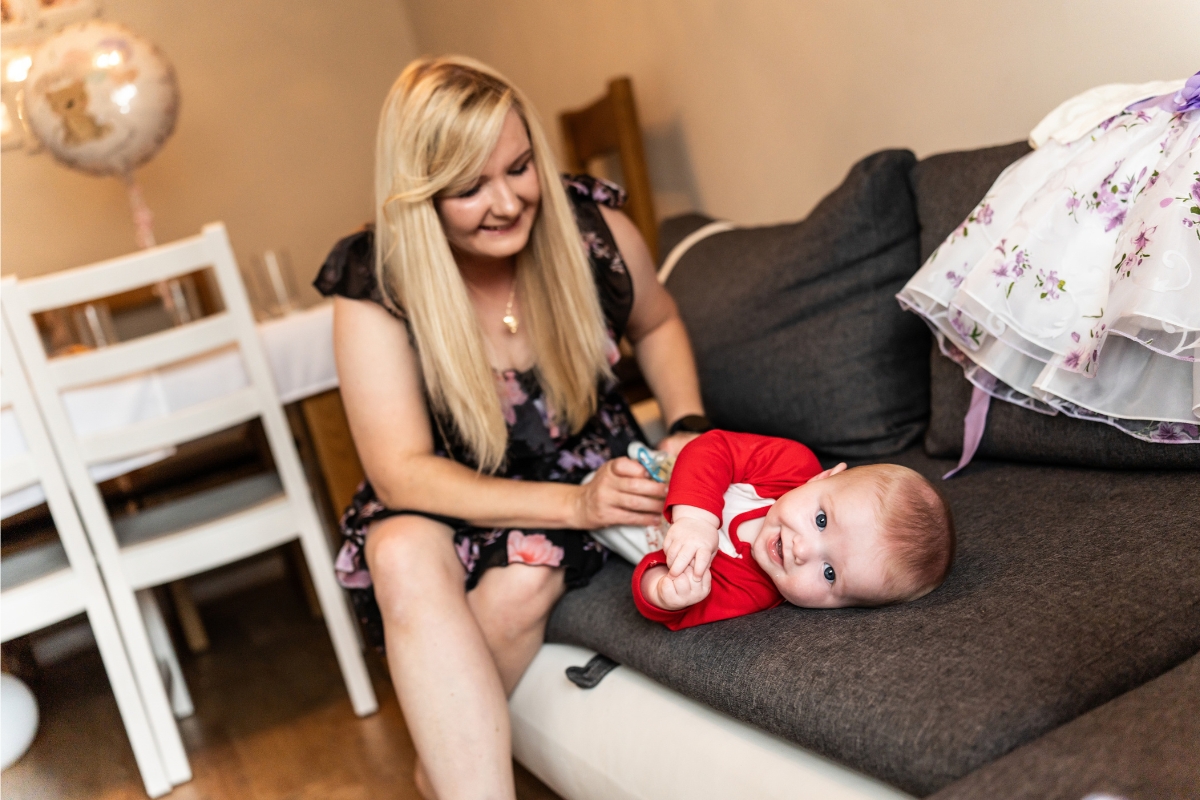
Music Bugs provides fun, interactive music and singing sessions for under-fives through a national network of franchisees. The classes use songs, instruments, props and sensory activities to support early-childhood development. Just as importantly, the franchise offers a flexible, home-based business opportunity for women who want to improve their work-life balance while running their own class.
How the franchise started
When did you start your business?
The original classes began in Swindon, and the franchise opportunity launched in October 2006.
What motivated you to start a business and become self-employed?
Claire started the classes because there was a shortage of high-quality music groups in her area. With four children of her own, she had clear ideas about what a good preschool music class should offer: energy, variety, and a welcoming atmosphere for parents and carers. When she could not find a class that matched her expectations, she set one up herself. Demand quickly outstripped what she could manage alone, so franchising became the natural next step.
Business support that still matters in 2026
Have you used any business support services, and was the support useful?
Claire relied on her solicitor and franchise consultant to guide her through business legislation. She also used ACAS and Business Link, and found HMRC business-support courses helpful.
Updated for 2026: Business Link closed in 2012, but its advice is now delivered through GOV.UK and local Growth Hubs. ACAS still provides free, impartial guidance on employment issues, and HMRC offers free online webinars on tax, self-assessment and VAT. Women exploring franchising can also turn to the British Franchise Association and the Federation of Small Businesses for accredited training, model agreements and networking. If you are weighing up your first steps, our guide to the 5 Do’s and Don’ts to Start a Small Business in the UK is a practical place to start.
Protecting your brand and your boundaries
What are the highlights of being a business owner or self-employed?
Watching something you have created grow and flourish is the biggest reward. Claire also feels honoured to work alongside a network of franchisees who are inspirational in their own right.
Have you experienced any particular difficulties or challenges in starting a business?
On a practical level, Claire had to make adjustments at home because the business is still home-based and she has four children after school. Running a business from the kitchen table requires clear boundaries: a dedicated workspace, set hours, and family agreement about interruptions. Our guide to what home working expenses you can claim as self-employed explains what you can offset.
When Music Bugs first launched, there were also legal disputes over trade mark ownership, which have since been resolved. The experience underlines the importance of registering your trade marks and other intellectual property early with the Intellectual Property Office. For anyone running children’s activities today, there are additional responsibilities: data protection law (UK GDPR), safeguarding requirements, DBS checks, public liability insurance and, in many cases, first-aid training.
Being a woman in business
Do you feel you have experienced any disadvantages in starting and growing a business because you are female?
Not in the preschool activity market, which is predominantly female-oriented and has a healthy level of competitiveness. That said, research such as the Alison Rose Review of Female Entrepreneurship continues to show that women founders across the wider economy can face unequal access to finance and networks, so it is important to seek out targeted support.
Do you feel you have experienced any advantages in starting and growing a business because you are female?
Claire found that her experiences as a woman and mother helped her build rapport with the parents who attended her early classes. She can also relate to her franchisees, because they are often trying to achieve the same thing: combining motherhood with self-employment.
Claire’s advice for women founders
What key pieces of advice would you give to other women thinking about starting a business?
Be professional from the outset and get as much business advice and support as you can. There are many organisations that offer free guidance, so use them. Start with a clear business plan and a realistic understanding of your market, your costs and your break-even point.
You also need full support and understanding from family and friends, especially if you are working from home. It is all too easy to be distracted by household tasks or neighbours dropping in, so make it clear when you are working. Set physical and digital boundaries: a dedicated desk, a business phone number and set hours help everyone take your venture seriously.
Be honest about your own strengths and weaknesses, and outsource the tasks you struggle with. If bookkeeping and accountancy are not your strengths, pass them to a professional. If you are creating a brand, protect your intellectual property early. Finally, build a network of peers: women’s business groups, franchise networks and local Growth Hubs can all provide practical advice, referrals and moral support. Our women in business networks UK guide lists communities to join in 2026.
Franchising for women: the 2026 UK landscape
Franchising remains a popular route into business ownership for women in the UK. According to the British Franchise Association and NatWest Franchise Survey 2024, women now account for 38% of franchisees, up from 18% in 2015, and the sector contributes £19.2 billion to the UK economy each year. The Alison Rose Review of Female Entrepreneurship 2024 also highlights that women-led businesses contribute £141 billion to the UK economy, and closing the gender gap in business ownership could add £250 billion more.
Yet challenges remain. ONS Labour Market Statistics from 2025 show that around 1.7 million women are self-employed in the UK, but British Business Bank data from 2024 indicates that all-female founder teams still receive only around 2% of UK equity investment. Claire’s experience shows that a clear idea, a willingness to seek professional advice, and a strong support network can turn a local class into a national brand, even without relying on external funding.
Five action steps for women founders
- Research your franchise model through the British Franchise Association and request a copy of the latest bfa NatWest Franchise Survey.
- Check what free support is available from your local Growth Hub, ACAS and HMRC webinars.
- Register your trade marks and key intellectual property with the Intellectual Property Office before you recruit franchisees.
- Build a peer network through women’s business groups and franchise networks.
- Review our guides on starting a small business, home working expenses and women in business networks for next steps.
Final thoughts on franchising for women
Claire Bennett’s journey from one Swindon music class to a national franchise shows that franchising for women can be a powerful way to combine work and family life. The UK support landscape has changed since 2009, but the fundamentals remain the same: protect your intellectual property, seek professional advice, set boundaries, and build a network. Use the action steps above, and the free resources available through GOV.UK, Growth Hubs and sector bodies, to turn your own idea into a business that can grow beyond you.
This profile was first published in 2009 and updated in 2026.