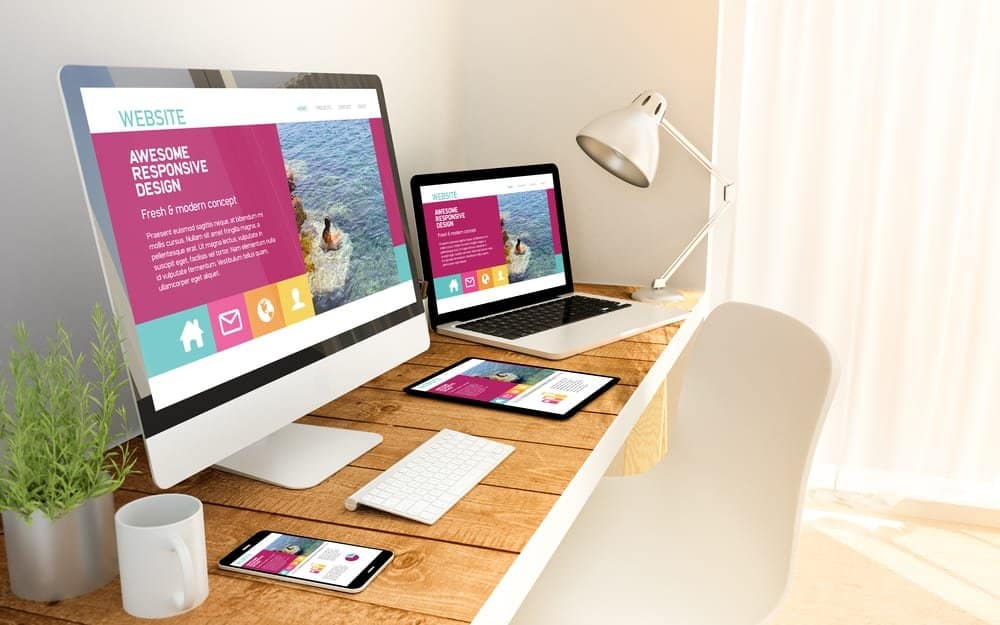
Most UK consumers still begin their purchase journey with a search engine, and Google accounted for roughly 93% of UK search traffic in the year to June 2025, according to Statcounter. For women founders running early-stage ventures, that makes taking steps to make your website SEO-friendly one of the most cost-effective ways to reach customers. Unlike paid advertising, which stops when your budget runs out, a well-optimised page can keep bringing in qualified visitors for years.
The challenge is knowing where to start. ONS labour market data from 2025 shows around 1.5 million women are self-employed across the UK, and many are building businesses with tight marketing budgets. At the same time, ONS internet access data from 2024 found that 96% of UK adults had used the internet in the previous three months. The businesses that capture that attention through search gain a lasting advantage. The good news is that you do not need an agency or a huge budget to make progress. Here are the practical areas to focus on first.
Why SEO for Start-ups Still Matters in 2026
Search is not a channel reserved for large brands. ONS retail sales data from 2025 shows that around 27% of UK retail sales take place online, and service-based businesses see similar research behaviour before a customer makes contact. The Alison Rose Review of Female Entrepreneurship continues to highlight women-led businesses as a major, under-supported part of the UK economy. Effective SEO is one way to close the visibility gap without relying on external funding.
Before you invest heavily in optimisation, make sure your business foundation is solid. Companies House now requires directors, including women founders of limited companies, to complete identity verification. Separately, HMRC’s Making Tax Digital for Income Tax Self Assessment will require quarterly digital reporting from many self-employed people from April 2026. A professional website, organised digital records, and the right B2B eCommerce software make both easier to manage. If you are still building your first site, our guide to creating your first website covers the essentials.
Build Authority Through Quality Links
Backlinks remain one of Google’s strongest ranking signals. In 2026, however, quantity matters far less than quality. A handful of links from respected, relevant UK sites will do more for your rankings than hundreds of low-quality directory listings.
Relevance is key. A link from a site that serves your industry or local area carries more weight than a random link from an unrelated blog. If you run a sustainable fashion label in Bristol, a mention in a Bristol lifestyle publication or an ethical fashion directory is worth far more than a generic global link.
Authority matters too. Look for sites that already have their own engaged readership, solid social presence and, ideally, links of their own. Tools such as Ahrefs, Semrush or Moz can help you gauge a site’s authority, but you can also use common sense: does the site publish regularly? Do people comment on or share its content? Would you be proud to be associated with it?
For women founders, professional networks such as women’s enterprise hubs, industry associations and alumni groups can be a natural source of these high-quality links. Practical ways to earn them include:
- Asking suppliers, stockists, partners and professional associations to link to your site from their “where to buy” or member directories.
- Reaching out to UK bloggers, journalists and podcasters who cover your niche. Offer a product sample, expert comment or data-led story rather than a generic press release.
- Creating a press or media page with a concise bio, high-resolution images and key company facts so reviewers can link to you easily.
- Entering credible UK business awards and local enterprise competitions, which often publish finalist and winner profiles with backlinks.
Avoid shortcuts such as buying links or joining link-exchange schemes. These tactics can trigger Google penalties and set your start-up back months.
Create Content That Serves Real Customers
Modern SEO is not about tricking search engines; it is about answering the questions your customers are already asking. Google’s helpful content systems reward pages that demonstrate first-hand experience and genuinely satisfy the searcher’s intent. For a start-up, this is an opportunity to outrank bigger competitors by being more specific, more useful and more authentic.
Women founders often bring first-hand insight into customer pain points, which can give your content an authenticity that larger competitors struggle to match. Start with your audience, not a keyword tool. What problems do your customers face before they buy? What objections do they raise? What terminology do they use? Use these insights to plan content that supports each stage of the buyer journey:
- Awareness: educational blog posts, explainers and “how to” guides.
- Consideration: comparison articles, buying guides and case studies.
- Decision: detailed product or service pages, FAQs and testimonials.
A blog can be a powerful asset, but only if it is tied to business goals. Do not publish for the sake of freshness. One in-depth, well-researched article that ranks for a valuable long-tail phrase is worth more than ten thin posts nobody reads. If you need extra capacity, invite guest contributors who are genuine experts, but maintain strict editorial standards and disclose any commercial relationships.
Remember to optimise the basics on every page: a clear, descriptive title tag; a compelling meta description; logical headings; and natural use of the phrases your customers actually search for. Images should have descriptive alt text, and pages should load quickly on mobile devices.
Do Not Ignore Local and Technical Foundations
If you serve customers in a specific area, local SEO should be a priority. Many women-led start-ups begin by serving a local or niche community, making local SEO a particularly powerful early win. Claim and verify your Google Business Profile, keep your name, address and phone number consistent across the web, and encourage satisfied customers to leave reviews. Local pack results appear above many organic listings, so even a new business can gain visibility quickly. For more detail, see our local internet marketing tips for UK small businesses.
Technical SEO does not have to be complicated, but it cannot be ignored. Statcounter data from 2025 shows that mobile devices account for around 60% of UK web traffic, so a site that performs poorly on a phone is a site that loses customers. Make sure your site is secure (HTTPS), mobile-friendly and fast. Google’s Core Web Vitals measure loading speed, interactivity and visual stability, and poor scores can hold back otherwise excellent content. Free tools such as Google Search Console and PageSpeed Insights will flag the most important issues.
Finally, measure what matters. Track organic traffic, keyword rankings and conversions in Google Analytics 4 and Search Console. SEO is a long game, but even small improvements compound over time.
Five Practical Action Steps for Your Start-up
- Audit your current website using Google Search Console and PageSpeed Insights.
- Claim or update your Google Business Profile if you serve local customers.
- List ten questions your customers ask before buying, then plan content to answer each one.
- Identify five relevant UK organisations, publications or directories that could realistically link to your site.
- Set a monthly rhythm for publishing one useful, in-depth piece of content and tracking its performance.
SEO for start-ups is not about chasing algorithms. It is about building a website that clearly explains what you offer, earns trust from relevant UK sources, and is easy for both search engines and humans to use. Start with the fundamentals, stay consistent, and your start-up can build a sustainable source of customers from search. For broader context on women in business, see our Women in Business: Key UK Facts page.