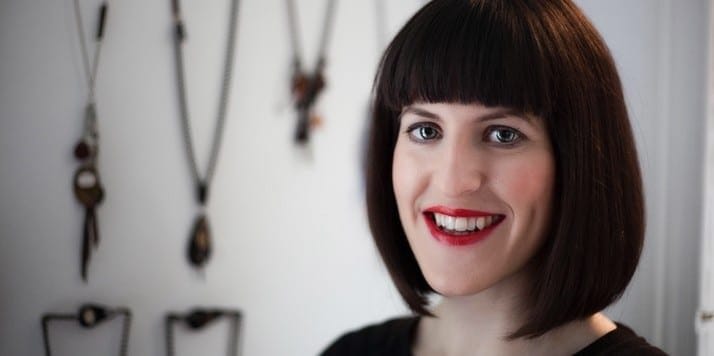
“Have your goal. Make a plan and go for it. Do what you enjoy,” says Lisa Newton. That mindset carried her from a £150 start-up to a UK-wide bookkeeping business, and it is still a useful blueprint for anyone who wants to start a bookkeeping business UK in 2026.
Lisa founded Boogles Ltd in 2005 with £100 from her overdraft and a £50 loan from her mother. With no external investment and only a £500 credit card to sustain the company for the first three years, she grew Boogles into a national franchise network that helps busy owner-managers reclaim time and reduce stress by handling bookkeeping, VAT returns, payroll and credit control.
Franchising allowed Lisa to scale without the capital demands of opening offices herself. By recruiting self-employed bookkeepers and franchisees, she extended Boogles’ reach while keeping overheads tightly controlled. It is a model that continues to suit women-led businesses. According to the British Franchise Association’s 2024/2025 survey, franchising contributes around £19 billion to the UK economy, and women now make up a growing share of franchisees seeking flexible, self-employed careers.
“Many SMEs and self-employed people start a business to do a job they enjoy, not to get bogged down with paperwork,” Lisa explains. “We give them their time back.” That service has since expanded into bookkeeping training and cost-expense analysis. It is a proposition that resonates across the UK, where the Federation of Small Businesses reported 5.6 million small businesses at the start of 2025. For many owner-managers, admin and tax compliance remain a significant burden, and with HMRC’s Making Tax Digital for Income Tax Self Assessment requiring digital records from April 2026 for sole traders and landlords with income over £50,000, and from April 2027 for those with income over £30,000, the value of reliable bookkeeping has only grown. See our Making Tax Digital Sole Trader: 2026 Checklist for Women for the current deadlines.
Her advice on overheads is just as relevant now. “Lots of people just pay bills without really analysing whether the expense is good value. We do a free expense review to see if we can help the client save money. Keep your costs down and review your suppliers regularly.” For practical ways to trim overheads, see our guide to allowable expenses self employed UK.
Inspired to work for herself
Lisa was inspired to start her own business after watching author Robert Kiyosaki on The Oprah Winfrey Show. “Kiyosaki drills home the importance of learning about personal finance and how money works. He said, ‘The rich don’t work hard for money, they have money work hard for them,’ and he advises you to mind your own business, not someone else’s.”
“What he said made complete sense to me. As soon as I completed my MSc in Investment Management, in the same month I graduated, I formed Boogles Ltd. I just didn’t want to work for anyone else but myself. I also believe you should start before you have anything to lose, the sooner, the better.”
She describes herself as an entrepreneur first. “I’m not ‘an accountant’ or just ‘a bookkeeper’, but I run a bookkeeping business. I’ve always liked sales and business. My very first business was selling hair accessories and lingerie to staff and students at school when I was 13. I’ve always been the person put in charge of the money, because people know I won’t spend it. Running a bookkeeping business, helping people make cost savings and being a finance director really does suit my skill set.” Lisa has also written books, including How To Start Your Own Bookkeeping Business: And Be Successful.
Start a bookkeeping business UK: Lisa’s lessons
Lisa’s journey reflects the wider opportunity for women in business. The Alison Rose Review of Female Entrepreneurship Progress Report 2024 found that women-led businesses still represent only around 20% of UK companies, roughly one in five. The Rose Review has set a target of 600,000 more female entrepreneurs by 2030, supported by initiatives such as the Women Backing Women campaign and regional investment networks. For current funding options, see our guide to business grants for women in UK and Start Up Loans Female Founders.
Lisa’s advice is practical rather than political: focus on what you can control, keep learning, and build a network before you need it.
Banking persistence pays
Lisa’s early banking experience is a reminder that persistence pays. For the first three years, Boogles relied on a single £500 credit card because her bank would not extend further credit. Then, at a networking event, she met a bank manager from HSBC who arranged a credit card, overdraft and loan facility within two weeks. “I had struggled to grow the business on £500. Next thing, £20,000 was available to me. I couldn’t believe it.”
Years later, her original bank called to ask if she wanted to open an account. “I said no way. When I needed the help, it wasn’t there. I’d encourage anyone with banking difficulties to shop around.” Today, UK founders have far more choice than in 2005, from high-street business accounts to digital challengers, so comparing fees, lending criteria and customer service is essential.
Handling the low points
The low points come when she is not in the flow. “You get over it by asking yourself: ‘Should I really be doing this?’ By eliminating or fixing all the issues that aren’t working, you ensure that they never trouble you again. If your energy gets stuck, change your routine, play some music. Your energy will be zapped if you have people around you who do not add value. Breaking the cycle helps. Don’t wallow. Take action, move, do something about it, and don’t wait until it’s critical, do it way before then.”
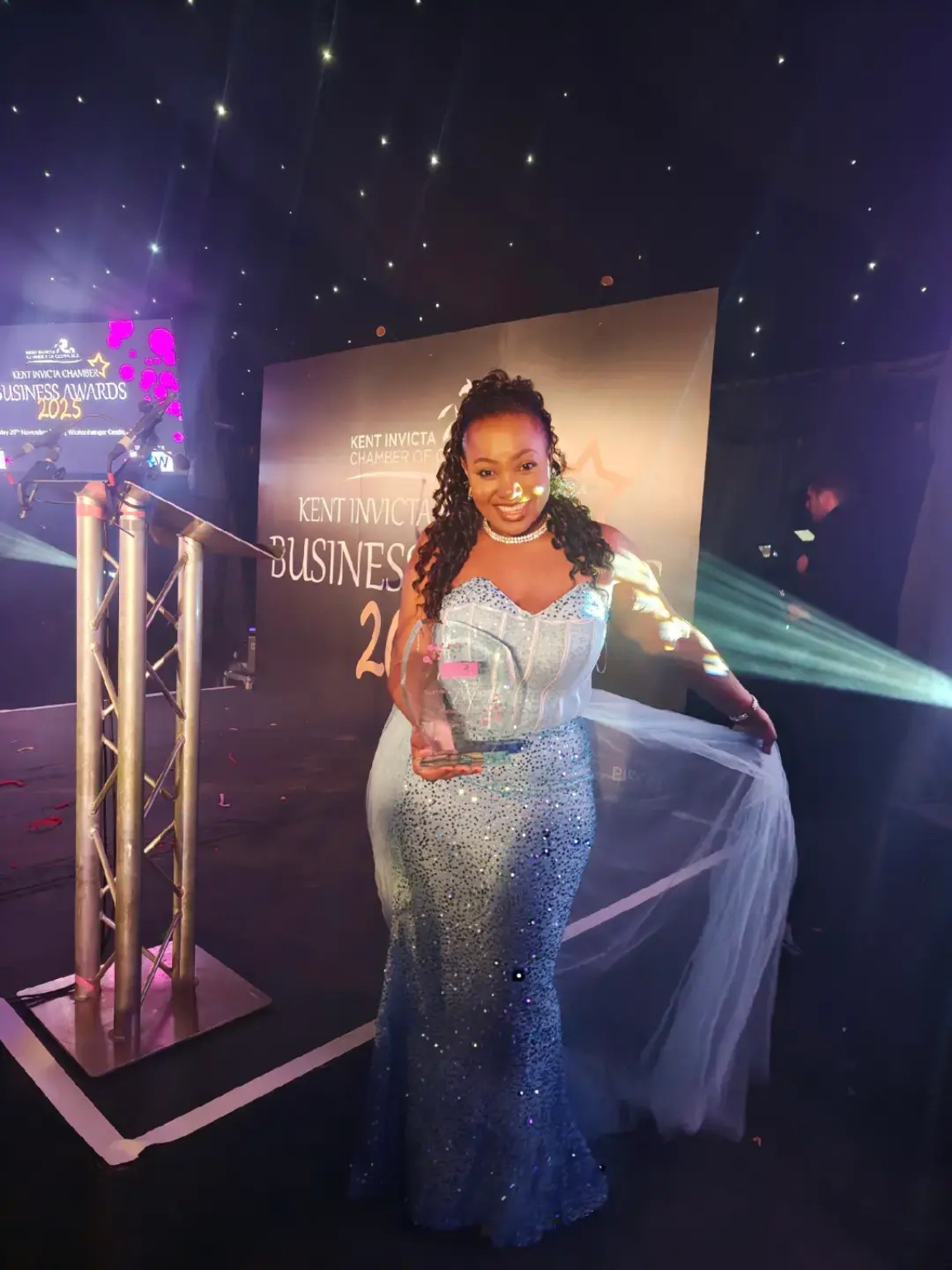
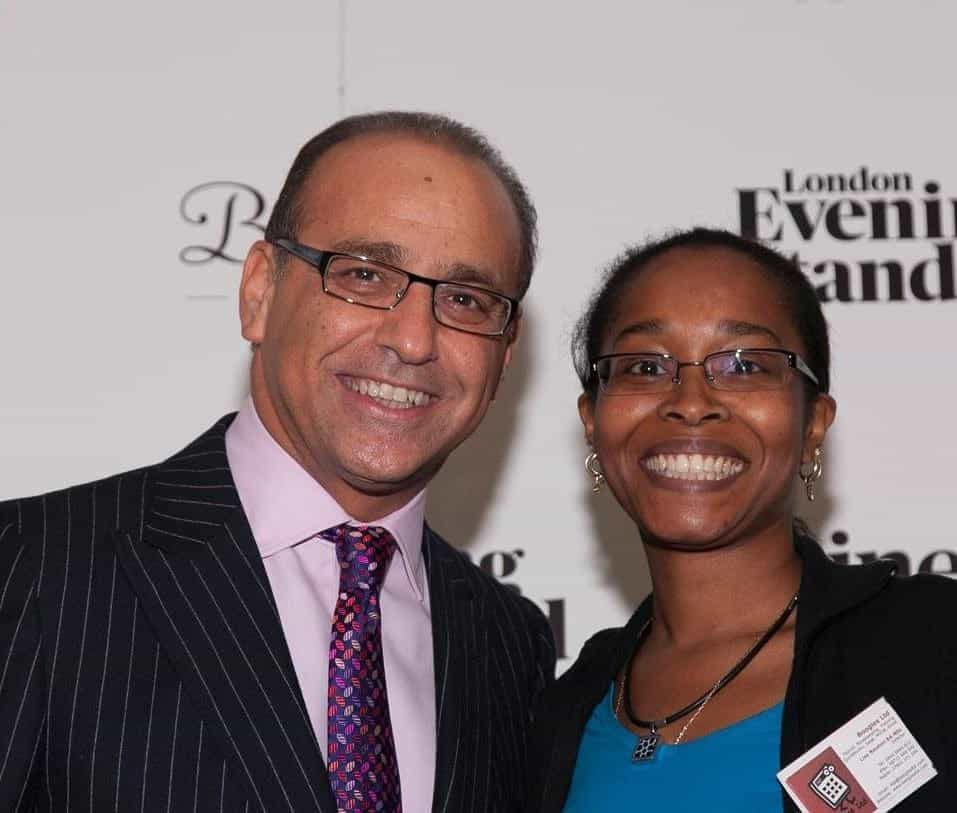
The high points have come when Boogles has won industry awards and when Lisa has the chance to network with like-minded business owners. “And completing things. When you’ve worked on a project for ages, it’s nice to see the thing finished. You can move on to the next thing.”
Action steps
- Start lean. Lisa launched with £150 and no external funding. Map your minimum viable costs before you commit.
- Review suppliers every quarter. Ask whether each expense still delivers value, and negotiate or switch where you can.
- Prepare for Making Tax Digital. If your turnover is above the VAT threshold or your self-employment income is over £50,000 from April 2026, you will need MTD-compatible software.
- Build your network before you need it. Lisa’s £20,000 banking facility came from a single conversation at a networking event.
- Explore current funding routes. As of 2026, the Start Up Loans Company offers government-backed loans of up to £25,000 for eligible UK founders.
Lisa’s broader message to women thinking of starting up today is clear: start small, keep costs lean, build a network and take action before you feel ready. If you want to start a bookkeeping business UK, her journey shows that persistence, careful cost control and a clear service proposition matter more than a large launch budget. For the latest context on women founders, read our Women in Business: Key UK Facts page.