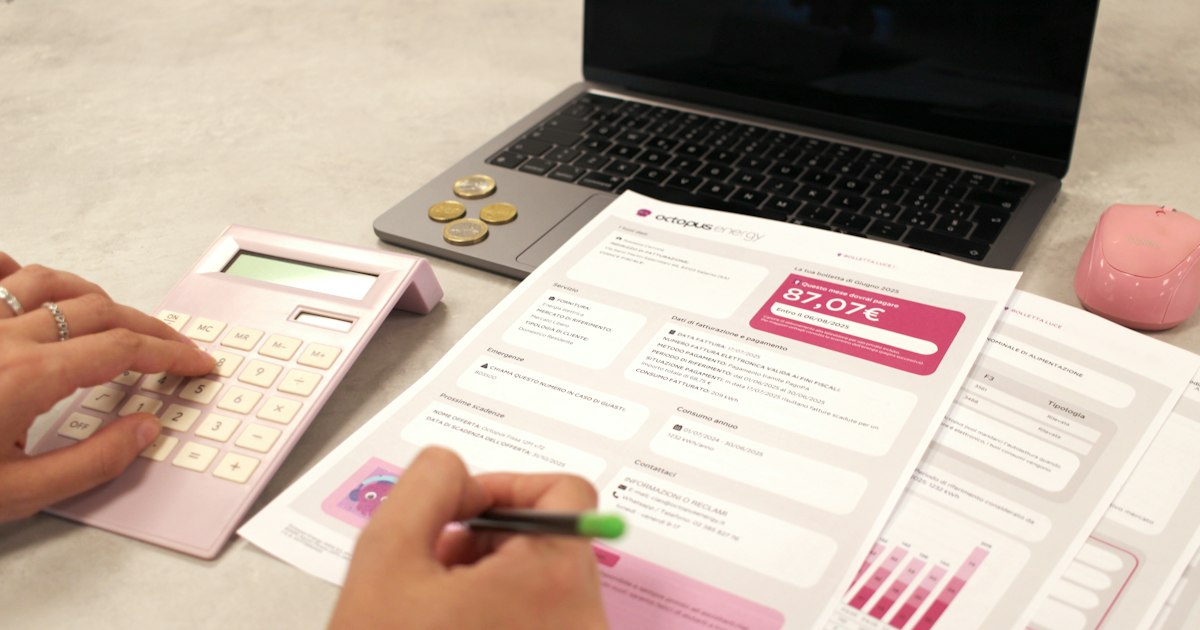
Entrepreneur Hilary Devey famously kept her personal spending to a minimum in her first years in business. She paid herself just enough to cover food and rent, drove down every cost and even refilled printer ink cartridges by hand. While you do not need to go that far, the principle is sound: frugal habits free up cash to reinvest in growth.
According to the Alison Rose Review of Female Entrepreneurship 2024, published by NatWest, there are now 1.17 million women-led businesses across the UK. Yet many still operate with tight margins. If you are cutting costs small business UK rules and allowances can help you keep more of the money you earn. Whether you are building a freelance income or scaling a company, here are ten practical, UK-focused ways to do it.
1. Audit spending before cutting costs small business UK
In the early days, many founders reduce the amount they draw from the business to the bare minimum. Start with an honest review of both personal and business spending: subscriptions, groceries, utilities, insurance, software and transport. A simple budget will often reveal forgotten direct debits and duplicate services. The government-backed MoneyHelper service offers free budgeting tools that can help you see exactly where your money goes.
2. Use comparison sites for insurance and utilities
Loyalty rarely pays. Home, car and business insurance premiums often rise at renewal, so compare prices before you auto-renew. Independent, Financial Conduct Authority-regulated comparison sites can save most households several hundred pounds a year. Set a calendar reminder a few weeks before each renewal date so you have time to switch without pressure.
3. Cut energy and broadband bills
Energy and broadband remain two of the easiest areas to trim. Ofgem’s price cap sets a maximum unit rate for a typical dual-fuel household paying by direct debit, and the cap is updated every quarter. Check your tariff against the current cap and other available deals, and take meter readings regularly so you only pay for what you use. Even simple changes, such as turning down the thermostat, draught-proofing windows or switching to LED bulbs, can lower usage. For broadband, check your actual speed against what you pay for; a cheaper package may be perfectly adequate for a home office.
4. Run a leaner vehicle
If you use a car for business, fuel and vehicle tax are significant costs. A more efficient model can cut fuel bills and reduce vehicle excise duty. Electric and low-emission cars also benefit from lower company car tax rates. If a young driver uses the vehicle, a telematics (“black box”) insurance policy can bring premiums down.
Remember to claim HMRC’s approved mileage rates. For 2026-27, HMRC allows 45p per mile for the first 10,000 business miles in a car or van, and 25p per mile thereafter. Motorcycles are 24p per mile and bicycles 20p per mile. You can read more about what you can claim in our guide to allowable expenses for the self-employed.
5. Build a website on a budget
A professional web presence does not require a large upfront investment. Free or low-cost website builders offer templates designed for small businesses, while self-hosted WordPress gives flexibility at the price of a domain name and basic hosting. Start with a clean, mobile-friendly template and only add paid features when you genuinely need them. A .co.uk or .com domain typically costs £10 to £15 a year, and good hosting can be found for less than the price of a monthly coffee.
6. Rethink your printing costs
Inkjet cartridges can be eye-wateringly expensive. If you print regularly, a basic laser printer usually costs far less per page and lasts longer before refills. Alternatively, look for high-yield compatible or remanufactured cartridges from reputable suppliers, or use a local refill service. Before you print anything, ask whether a digital copy will do.
7. Travel smarter for less
Rail fares in the UK are among the highest in Europe, but there are ways to cut them. Book advance tickets, travel off-peak and consider a railcard if you qualify. For longer journeys, coaches can be a fraction of the price of peak-time trains and many offer Wi-Fi and power sockets. If your diary is flexible, shifting a meeting by an hour or two can slash the fare.
8. Keep phone costs down
A traditional landline is often an unnecessary expense for freelancers and micro-businesses. A dedicated business mobile number keeps you reachable wherever you work, while VoIP services give you a landline-style number over the internet for a low monthly fee. If you already have a reliable broadband connection, VoIP can include free or cheap calls and scales easily as you grow.
9. Avoid high currency-exchange fees
If you invoice or pay suppliers overseas, bank exchange rates and fees can eat into your margins. Banks typically add a markup to the exchange rate plus transfer charges, which can cost far more than the headline fee suggests. Use an FCA-authorised money transfer specialist, compare the total cost against the mid-market rate and watch out for recipient charges. For regular international payments, fixing part of the rate with a forward contract can protect you from currency swings.
10. Outsource selectively and stay on top of tax changes
Doing everything yourself is not always the cheapest option. If admin, bookkeeping or social media is taking time away from fee-earning work, outsourcing can pay for itself quickly. Start with word-of-mouth recommendations from your network, then use reputable freelance platforms for one-off projects. Be clear about deliverables, agree a fixed price or hourly cap and check the freelancer’s status for tax and IR35 purposes if they work regularly for you.
Staying compliant also protects your cash flow. From April 2026, HMRC’s Making Tax Digital for Income Tax Self Assessment begins for sole traders and landlords with gross income over £50,000. Those earning between £30,000 and £50,000 must join from April 2027. Getting compatible software now avoids last-minute costs and penalties. Our Making Tax Digital checklist for self-employed women explains what you need to prepare.
Action steps
Most new businesses can find savings in at least a few of these areas. Cutting costs small business UK founders focus on works best as a regular habit, not a one-off exercise. The key is to review costs quarterly rather than once a year: small leaks sink ships, and the money you save is money you can reinvest in building the business you want.
- Schedule a quarterly cost review in your calendar.
- Check your energy tariff against the Ofgem price cap and switch if you can save.
- Log business mileage using HMRC’s 45p/25p rates.
- Confirm whether Making Tax Digital for Income Tax applies to you from April 2026.
- Review subscriptions and insurance renewals before they auto-renew.
What cost-cutting tips have worked for you? Share them in the comments below.