There is nothing soft about workplace wellness. In the UK, an estimated 1.8 million working people are living with work-related ill health, and 776,000 of those cases involve stress, depression or anxiety, according to the Health and Safety Executive’s 2023/24 statistics. Stress, depression and anxiety alone account for 17.1 million lost working days a year, costing employers billions in absence, presenteeism and staff turnover. Smart leaders now treat workplace mental health as a business priority, not a perk. Yet some sectors remain stubbornly behind the times.
Which UK industries are lagging on mental health?
Research consistently shows that certain industries are slower to build open, supportive cultures. Professional services, construction, and financial and legal services all feature high-pressure environments where long hours, client demands and competitive performance metrics can mask distress.
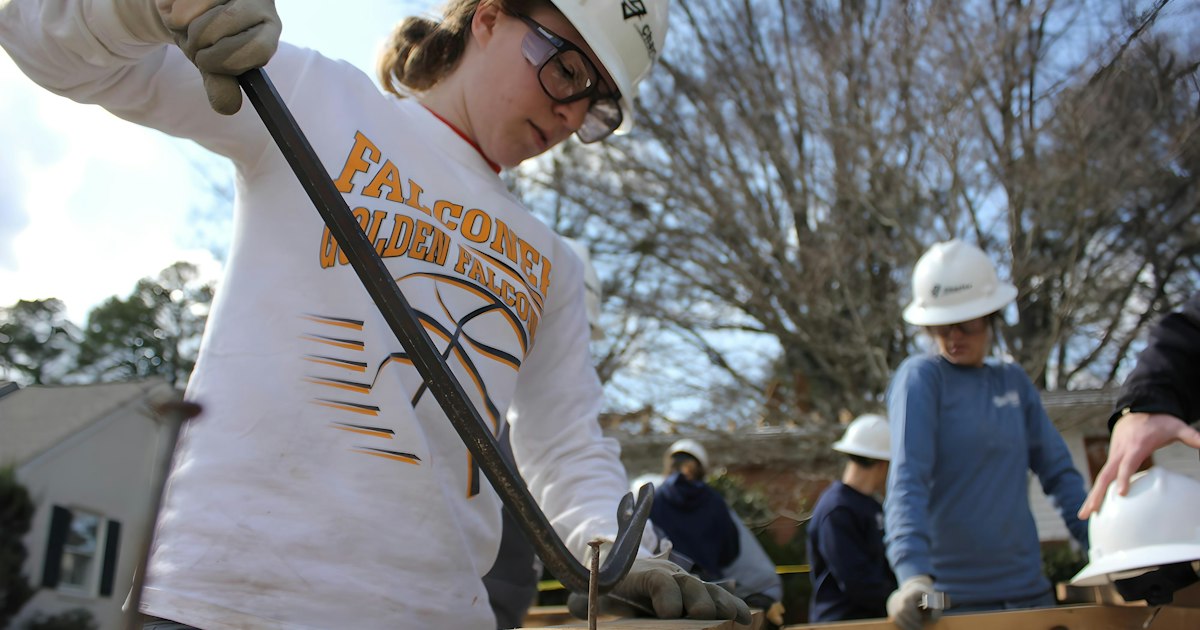
The construction sector illustrates the problem most starkly. Male construction workers are around 3.7 times more likely to die by suicide than the average male worker, Office for National Statistics data for 2011 to 2021 shows. The industry has made physical health and safety a daily conversation, but the mental equivalent is still catching up.
Professional services are not far behind. A 2022 LawCare survey found that 69 per cent of legal professionals had experienced mental ill-health in the previous 12 months, with heavy workloads and poor work-life balance among the main drivers. In financial services, long-hours cultures and intense targets continue to fuel burnout. The Chartered Institute of Personnel and Development’s 2025 Health and Wellbeing at Work report notes that stress-related absence is rising across the economy, with workload and management style repeatedly cited as root causes.
Why macho cultures block progress
Petra Velzeboer, a mental health consultant and speaker who runs workshops with everyone from chief executives to site teams, believes that outdated workplace norms are a major barrier. “Construction is traditionally a male-dominated workforce with some very old-school ways of working,” she explains. “But I’ve still seen groups of bricklayers open up about their emotions once they feel safe to do so. That connection is vital in the battle against male suicide.”
Blue-collar industries are not the only ones with macho customs. “Financial and legal services often have a male-dominated culture with a ‘show no weakness’ mentality and a real competitive edge,” Velzeboer says. That pressure can make it hard for anyone to admit they are struggling, and it is especially damaging for women, who may already face harassment, isolation and a lack of senior role models.
Then there is “that dreaded British thing called banter”, which can disguise stigma as a joke. Velzeboer argues that this kind of culture can push people out of highly competitive industries, including talented women, which in turn widens the gender pay gap and drains the talent pipeline.
The hidden toll on women
Women in construction, finance and law face many of the same pressures as men: insecure contracts, long commutes, time away from family and the loneliness of remote or site-based work. But they also encounter additional barriers. Women remain heavily under-represented in the UK construction workforce, which can leave them without peers to turn to when stress mounts.
In professional services, women are more likely to shoulder caring responsibilities and may be penalised for requesting flexible working or part-time hours. A culture that equates long hours with commitment makes it harder to combine senior roles with family life. When workplaces fail to offer genuine flexibility and an understanding ear, they risk losing experienced women just as they reach leadership potential.
Harassment and exclusion add another layer of harm. Women in male-dominated environments report higher rates of bullying and unwanted behaviour, which compounds anxiety and erodes confidence. Without clear reporting routes and visible leadership support, many simply leave.
What progress looks like in 2026
There is hope. A new generation of workplaces is proving that high performance and compassion can coexist. Velzeboer finds that newer organisations with younger workforces are often more open to change. “When leaders start by explaining the ‘why’ behind the business and invite everyone into the conversation, people stay engaged,” she says. “Engagement feeds positive mental health.”
The context has also shifted. Hybrid and remote working are now normal in many sectors, blurring the boundary between work and home. The cost-of-living pressures of recent years have added financial anxiety to an already heavy load. Employers who ignore these realities risk higher turnover and lower productivity just when every pound of labour cost matters.
Some firms are appointing dedicated wellbeing leads, while others are training managers to spot early signs of distress and signpost support. Flexible working, mental-health first aiders and employee assistance programmes are becoming baseline expectations rather than nice-to-have extras. Since April 2024, flexible working rights have been a day-one entitlement, and employers must deal with requests within two months.
Forward-thinking employers are also introducing menopause policies, reviewing sickness absence procedures and training managers on the Equality Act 2010 so that women going through perimenopause or menopause are not unfairly disadvantaged at work.
Perhaps the most powerful shift is the simplest: leaders telling their own stories. “People are ultimately all the same,” Velzeboer says. “Once we create an environment of safety and openness by sharing our own experience, I’m always amazed by how much we get in return. People are dying to connect; they just need permission to do so.”
Where leaders should start
Traditional industries do not have to accept poor mental health as an occupational hazard. For small firms without a dedicated HR team, free resources matter. The Health and Safety Executive’s Management Standards for work-related stress provide a practical risk-assessment framework, while ACAS offers guidance on conversations about mental health at work.
Practical first steps include:
- Normalising conversations about stress and mental health from the top down.
- Training line managers to recognise signs of burnout and respond without judgement.
- Offering flexible working arrangements that work for women and men at every career stage.
- Reviewing workloads and deadlines to remove the glorification of overwork.
- Creating clear, confidential routes to report bullying, harassment and discrimination.
- Signposting to free, independent support such as Samaritans, the Construction Industry Helpline and LawCare.
Encouraging men to speak openly about their feelings is not only beneficial for them; it also helps the women who suffer harassment and alienation in macho environments. A happier, healthier future is good for us all.
If you are struggling with your mental health, you can contact Samaritans free on 116 123 or visit samaritans.org.