Picture a veterinary surgeon. If you imagine a man, you are not alone, but you would be out of date. According to Royal College of Veterinary Surgeons data from 2024, around six in ten UK vets are now women, and women make up roughly four in five veterinary students. A century ago, even secretaries and waiting staff were far more likely to be male.
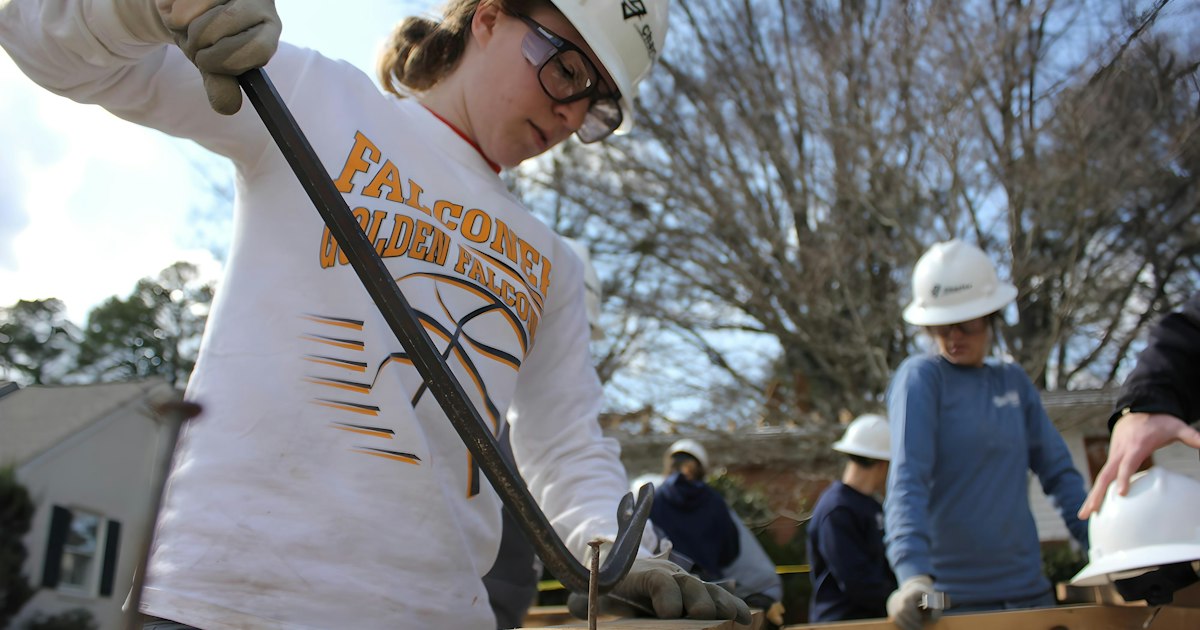
Gender stereotypes feel fixed, yet they shift constantly. When women move into male-dominated sectors once closed to them, the world of work expands for everyone. Role models speed up that change by showing what is possible and by challenging the unspoken assumptions that keep talented people out.
The UK still has stubbornly male-dominated sectors. Logistics UK figures from 2024 show women account for fewer than 3% of HGV drivers. The Department for Science, Innovation and Technology’s 2024 cyber security skills report puts women at around three in ten cyber security professionals. ONS Labour Force Survey data from 2024 shows women make up only about one in six mining and quarrying workers. Yet women like the three below are proving that these environments are not off-limits, and that the businesses recruiting them are stronger for it.
Katie Gillard — HGV driver
Lorry driving is the backbone of the UK economy, yet it remains one of the most male-dominated occupations. The stereotypical image of a trucker persists, even though women have been driving heavy goods vehicles for decades.
Katie Gillard began driving trucks at 19 and built her career in her family’s haulage business. She loves the independence, the responsibility of keeping supply chains moving, and the variety of working across the country. She also says that people still do a double-take when they see her climb down from the cab.
Her experience underlines a wider point: the logistics sector needs skilled drivers, and employers are increasingly eager to recruit from the widest possible talent pool. Women often bring strong communication, planning and customer-service skills to a job that is about far more than simply steering a large vehicle.
If you want to follow Katie’s route, start by understanding HGV driver training and licensing requirements. A mentor, perhaps through a women-in-transport network or a local haulage firm, can also help you navigate everything from Driver CPC rules to life on the road. Our guide to transportation sector opportunities for UK women in business outlines routes in.
Lisa Forte — cyber security specialist
Cyber security is one of the UK’s fastest-growing industries, protecting everything from NHS records to banking systems. Men still hold the majority of technical and senior roles, with women occupying roughly three in ten UK cyber security positions, a figure that is improving, but remains too low.
Lisa Forte began her career in counter-terrorism intelligence before moving into cybercrime investigation. She is co-founder of Red Goat Cyber Security, where she helps organisations defend against social engineering, phishing and insider threats. Her work blends technical expertise with psychology and communication. She has to translate complex digital risks into clear, actionable advice for boards and front-line staff.
Lisa is also a prominent advocate for diversity in the sector. She argues that teams with different backgrounds and perspectives are better at spotting the subtle human behaviours attackers exploit. That means women are not just welcome in cyber security, they are badly needed.
If her path appeals, you do not necessarily need a computer science degree. Explore apprenticeships, certifications such as CompTIA Security+ or (ISC)² SSCP, and consider conversion courses aimed at career-changers.
Dannika Bannon — quarry manager
Quarrying and mining are among the UK’s most male-dominated industries. Women account for only around one in six workers in mining and quarrying, and women in senior operational roles are still unusual. That makes Dannika Bannon’s career all the more instructive.
Dannika was studying law and criminology at university when she realised she preferred the practical, hands-on challenges of her part-time transport job. She left her degree, joined Tarmac, and worked her way up to quarry manager while studying for a foundation degree in mineral extraction.
She has since become a vocal advocate for women in the minerals sector. Her advice is straightforward: spend your life doing something that genuinely interests you, regardless of how male-dominated the field appears from the outside. She also stresses the value of finding an employer that actively supports professional development and female networks.
If construction, mining or quarrying interests you, begin by researching the qualifications and apprenticeships available and by reaching out to sector bodies.
How to break into a male-dominated sector
These three women show there is no such thing as a “man’s job”. What they share is not just ability, but the resolve to ignore stereotypes, seek out supportive employers, and keep building their skills.
If you are thinking about moving into a male-dominated sector, start with three practical steps. First, research the pathways open to you, including apprenticeships, professional certifications and sector-specific conversion courses. Second, connect with women already doing the work through networks, LinkedIn groups or industry events; their advice on everything from interview questions to site culture can save you months of trial and error. Third, ask prospective employers about their diversity, training and progression policies before you accept an offer.
The numbers may still be skewed, but the direction of travel is clear, and every woman who enters makes it easier for the next.
For a broader picture, see our women in business: key UK facts page. If you are weighing a complete change of direction, our career change at 40 guide offers practical steps that apply at any age.
Are women in the minority in your workplace? Share your success story in the comments below.