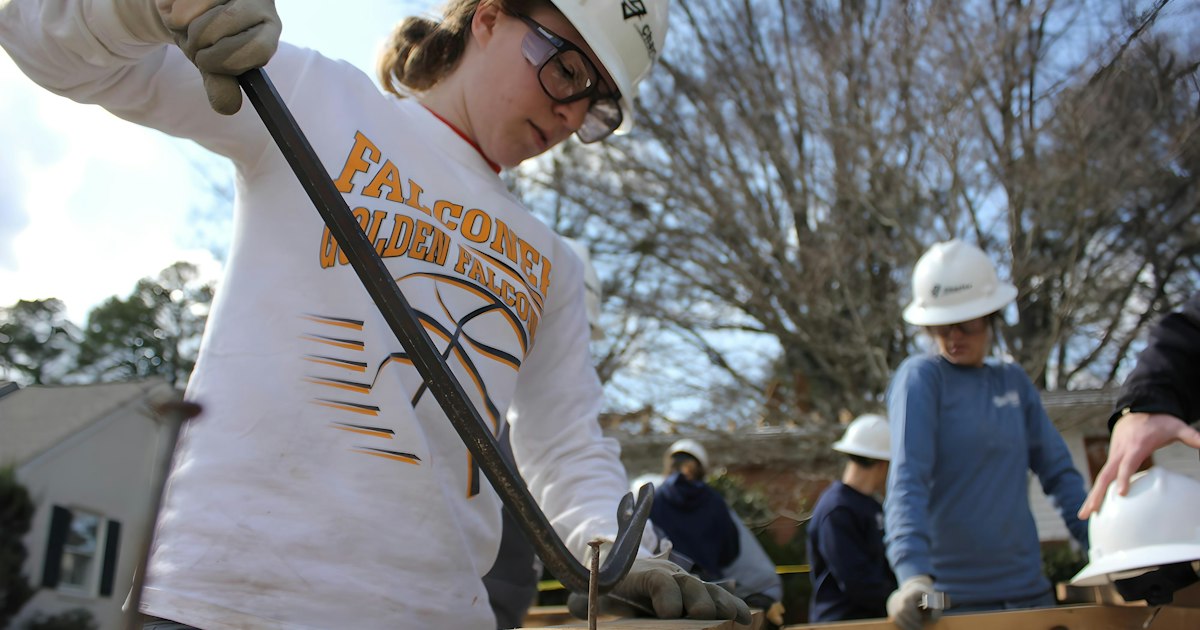
Engineering is one of the UK’s most economically significant sectors, contributing an estimated £645 billion to the economy according to EngineeringUK’s 2024 State of Engineering report. Yet women still account for only 16.5% of the engineering workforce, according to 2024 data from WISE. That is up from around 10% in 2014, but the UK remains far from gender parity and trails several European neighbours.
For women in business, engineering offers more than employment; it offers routes into leadership, consultancy and entrepreneurship at a time when the sector is racing to fill a skills gap; this article sets out the current picture for women in engineering UK, the progress being made, the barriers that remain, and the practical steps that employers and individuals can take; and for broader context, including for those starting a career in HR, see our Women in Business: Key UK Facts.
Women in engineering UK: why the sector needs them
Engineering underpins transport, energy, healthcare, communications, food production and the built environment. As the UK scales up net-zero infrastructure, digital connectivity and transport upgrades, demand for skilled engineers is outstripping supply. EngineeringUK’s 2024 State of Engineering report estimates that the UK will need around 173,000 new engineering recruits each year between 2024 and 2030.
Women represent a large, under-used talent pool. Diverse teams solve problems more creatively, manage risk more effectively and deliver stronger financial results. For an industry facing complex challenges, from designing offshore wind farms to retrofitting homes for heat pumps, gender diversity is not optional. It is essential to competitiveness.
Signs of progress
There are genuine reasons for optimism. The number of women accepted onto engineering degree courses has risen steadily. According to WISE, women made up 22.8% of acceptances to engineering courses in 2023, up from 15.7% in 2011. Apprenticeships are also opening up: WISE data from 2023 shows women accounted for around 12.4% of engineering-related apprenticeship starts, though this remains lower than higher education.
High-profile infrastructure projects have shown what inclusive recruitment can achieve. The Elizabeth line, which opened in May 2022, set ambitious workforce diversity targets and created strong mentorship networks. The project proved that large infrastructure schemes can attract and retain women engineers when culture and working practices are right.
Current and future schemes offer similar opportunities. The TransPennine Route Upgrade, Northern Powerhouse Rail, East West Rail and Sizewell C are all expected to need thousands of engineers. Beyond rail, the expansion of offshore wind, electric vehicle infrastructure, green hydrogen and nuclear energy is creating new roles in energy and environmental engineering. The government’s Great British Energy initiative, launched in 2024, is also expected to accelerate investment in clean power and the engineering jobs that come with it.
Barriers still to overcome
Despite the opportunities, women still face obstacles: stereotypes about engineering being a male career persist in schools and among parents and carers, leading many girls to drop maths and physics at A-level and close off engineering pathways before they have begun, while workplace culture can also be unwelcoming, since a lack of senior female role models, inflexible working, concerns about site facilities or personal protective equipment designed for men, and underlying career insecurity all contribute to higher attrition rates.
The gender pay gap in engineering, while narrower than in some sectors, still exists. Employers with 250 or more staff must report gender pay gap data under the Equality Act 2010 (Gender Pay Gap Information) Regulations 2017. Women are under-represented in senior leadership and in certain disciplines such as mechanical and electrical engineering. Addressing these issues requires targeted outreach, inclusive recruitment, transparent progression and family-friendly policies.
Routes into engineering
Engineering is accessible through many pathways. School leavers can choose A-levels in maths and physics, T Levels in design, surveying and planning, or engineering-focused BTECs. Apprenticeships combine paid work with study and are available at intermediate, advanced, higher and degree levels. University remains a common route, with accredited engineering degrees leading to chartered or incorporated status.
Professional bodies such as the Institution of Civil Engineers, the Institution of Mechanical Engineers and the Institution of Engineering and Technology offer careers guidance, mentoring and accreditation. Organisations such as the Women’s Engineering Society, WISE and STEM Returners provide networks, training and support for women entering or returning to the sector. If you are restarting after a break, our guide on Career Returner Women UK: How to Restart in 2026 may help.
Career prospects and entrepreneurship
Engineering offers strong earning potential and career progression. EngineeringUK’s 2024 report puts the median engineering salary at around £38,500, significantly above the UK average. Experienced specialists, project managers and consultants can earn considerably more. The skills are also highly transferable: many engineers move into consultancy, project management, research, policy or teaching.
For women with an entrepreneurial mindset, engineering is a fertile area for business ownership. Clean-tech start-ups, sustainable construction consultancies, product design studios and engineering advisory firms are all growing fields. Support is available through business grants for women in the UK, innovation funding and programmes aimed at women-led enterprises, helping founders turn technical expertise into viable companies.
What employers can do
Employers play a decisive role. Inclusive job adverts, diverse interview panels, flexible working, clear pay bands and sponsorship for professional registration all help attract and retain women. Firms should also audit their culture, ensure PPE and site facilities are suitable for women, and invest in mentorship and sponsorship programmes.
Government and industry initiatives continue to support this agenda. The EngineeringUK research programme, the Royal Academy of Engineering’s This is Engineering campaign and sector-specific skills plans all aim to widen participation and showcase engineering as a creative, people-focused career.
The future for women in engineering
The UK’s engineering sector is entering a transformative period. Decarbonisation, digitalisation and major infrastructure investment will create demand for problem-solvers from every background. Women who choose engineering today can expect varied, well-paid careers with real societal impact.
There has never been a better time for women in engineering UK to enter, return to or progress in the sector. The industry needs their skills, perspectives and leadership, and the country’s future infrastructure depends on it.