Running a hospitality business in the UK means juggling tight margins, rising labour costs, and guests who expect seamless service from the moment they book. Technology in hospitality business is no longer a nice-to-have; it is a core part of staying profitable. According to UKHospitality data from 2024, the sector employs roughly 3.5 million people, making it one of the country’s largest employers. For women running cafes, pubs, hotels, and catering companies, the right tech can free up time, reduce errors, and help you compete with bigger chains.
Why technology in hospitality business matters in 2026
This year, hospitality operators face higher wage bills, changing employment rules, and guests who book, order, and review almost entirely online. Digital tools can help you manage all three without adding to your workload. The key is to choose systems that solve real problems rather than buying software for its own sake.
1. Cut costs and simplify operations
Modern hospitality tech connects your booking system, point-of-sale (POS), stock control, and payroll in one place. Cloud-based systems let you monitor sales, inventory, and staff rotas from any device, so you are not tied to the back office. This matters when labour is your biggest overhead. With the National Living Wage at £12.21 per hour for workers aged 21 and over from April 2026, controlling staff hours through scheduling software is one of the fastest ways to protect margins.
Automated stock tracking also reduces waste. Instead of guessing par levels, you can see exactly what sells and when, which cuts food waste and prevents over-ordering. For women founders managing multiple responsibilities, automation reduces the time spent on admin and lowers the risk of costly mistakes. If you are a sole trader, moving your records into digital accounting software now also prepares you for Making Tax Digital.
2. Improve the customer experience
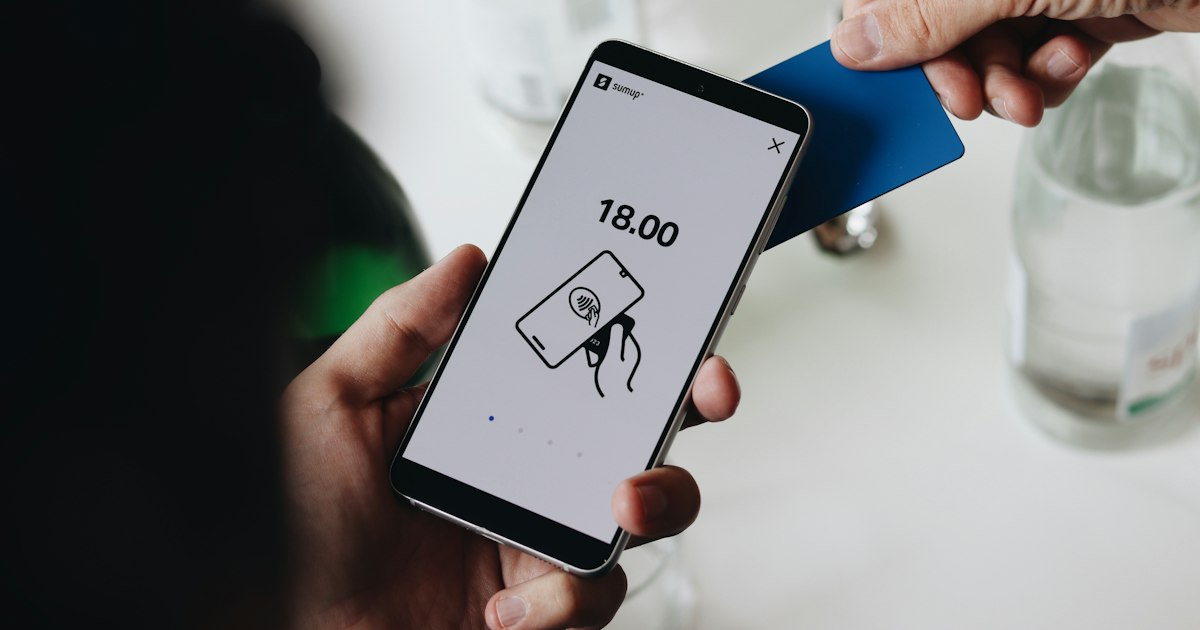
Guests now expect mobile-friendly booking, contactless payment, and fast Wi-Fi as standard. Research by CGA by NIQ and UKHospitality in 2024 shows that digital ordering, contactless payment, and easy mobile booking remain priorities for UK hospitality customers, with many preferring to order and pay via their own phone rather than queue at a bar or wait for a bill.
Small touches make a difference. Automated pre-arrival emails, digital room keys, and personalised offers based on previous visits all help guests feel looked after without adding to your workload. For independent hotels and restaurants run by women founders, this level of service was once only available to large chains. Today, affordable software puts it within reach of a single-site operator.
3. Expand your sales channels
Technology lets you sell through more than your physical premises. Online booking platforms, delivery apps, click-and-collect, and gift voucher sites all create extra revenue streams. During quieter periods, these channels can keep cash flowing. Businesses that offer direct digital booking and ordering capture more margin than those relying solely on third-party platforms, because they avoid commission fees and keep control of the customer relationship.
You can also use your own website and social media to take direct bookings, which avoids the commission fees charged by third-party platforms. Email marketing tools let you promote mid-week offers, seasonal menus, or private dining to past guests, turning one-off visitors into repeat customers.
4. Attract younger guests more effectively
Millennial and Gen Z travellers research, book, and review hospitality businesses almost entirely online. If your website is slow, your booking process is clunky, or your Instagram presence is patchy, you are likely losing this audience before they even walk through the door.
Younger guests also value transparency. Clear online menus with allergen information, visible sustainability credentials, and easy access to reviews all influence their choices. Technology helps you present this information clearly and respond quickly to feedback. For women-led hospitality businesses, a strong digital presence is now as important as a welcoming front door.
5. Spot trends faster with data
Your POS and booking systems collect valuable data on what sells, when you are busiest, and which promotions work. Instead of relying on gut feeling, you can base decisions on real numbers. For example, you might notice that plant-based dishes sell best on weekday lunches, or that a particular room type books up faster at weekends.
Social media and review platforms are also useful trend indicators. Monitoring local hashtags, TripAdvisor reviews, and Google Business Profile comments shows what guests want before your competitors react. AI-powered tools can now summarise this feedback and highlight recurring themes, saving hours of manual reading.
6. Stay competitive and compliant
The hospitality market is crowded, and standing still is not an option. Businesses that adopt technology can respond faster to changes in customer behaviour, staffing costs, and regulation. During 2026, employers also need to stay on top of employment law changes under the Employment Rights Bill, including updates to flexible working rights and zero-hours contract reforms. Digital HR systems make it easier to track contracts, holidays, and shifts so you remain compliant without drowning in paperwork.
Cyber security is another area where technology protects your business. The National Cyber Security Centre’s 2024 guidance warns that small businesses are increasingly targeted by phishing and ransomware attacks. Using cloud-based systems with automatic backups, strong passwords, and staff training reduces the risk of a breach that could shut down your bookings or payment systems.
Start with your biggest friction point
You do not need to overhaul everything at once. Start with the area that causes the most friction: bookings, payroll, stock, or marketing. Many software providers offer free trials or tiered pricing for small businesses, so test one tool before committing to a full suite.
Look for systems that integrate with each other. A POS that talks to your accounting software and stock system will save far more time than three separate tools that need manual reconciling. If you are unsure about funding, the British Business Bank and Innovate UK support schemes can help women-led hospitality businesses invest in digital upgrades.
Take these practical next steps
- Audit your current tech stack and identify the biggest time-waster.
- Check whether your accounting software is Making Tax Digital compatible.
- Compare POS, booking, and scheduling tools that integrate with each other.
- Review your website and booking journey on a mobile phone.
- Set up Google Business Profile and a simple email list for repeat marketing.
- Train staff on cyber security basics, including phishing awareness.
Technology in hospitality business is not about replacing personal service; it is about removing the friction that gets in the way of it. For women running UK hospitality businesses, the right digital tools can cut costs, improve guest satisfaction, and create a more sustainable operation. Start small, measure the results, and scale what works.