“Mumpreneur” is a Marmite word. Some women love it and weave it into their brand identity; others wince at the implication that being a mother makes their business somehow different from “real” entrepreneurship. When Prowess ran business awards, the “Inspirational Business Mum” category always attracted more nominations than any other, proof of how strongly the label resonates.
It is not a term every founder would choose, but it is easy to see why many women claim it. Motherhood shapes the products they create, the cultures they build and the customers they serve. Mum-led businesses are not a niche; women in business are a major force in the UK economy.
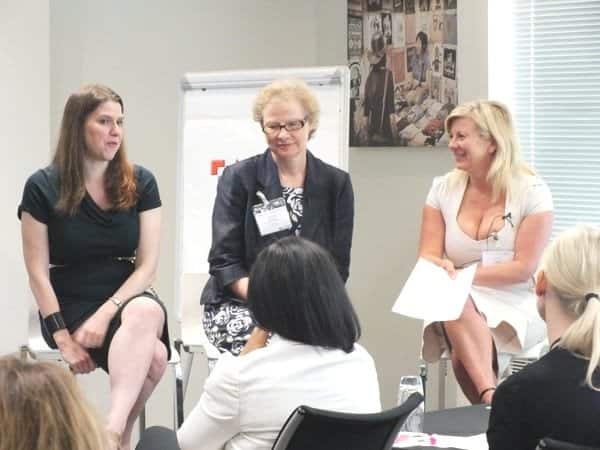
The debate surfaced again recently at a business breakfast marking the latest government push on workplace equality. The conversation has moved well beyond the 2013 “Think, Act, Report” framework. In 2026, ministers point to the right to request flexible working from day one, the expansion of funded childcare, and the 30 hours a week offer for eligible working parents in England for children from nine months old until school age. The question being asked now is not whether women can combine work and family, but why UK business and policy still make it so hard.
That shift matters. For years, female politicians and business leaders have been asked how they “juggle” children and careers, while men are asked about strategy and growth. The underlying assumption, that care is a woman’s problem to solve, is precisely what keeps the gender pay gap stubbornly in place and stops men taking the parental leave they are entitled to.
Shared Parental Leave, introduced in 2015, remains underused, and statutory paternity pay is too low for many families to afford. Until we have equality at home, we will not see real equality at work.
Where the change will come from
It is chicken and egg. Legislation and large employers can set the tone, but culture often changes faster when it is modelled from the top of a business where family life is treated as normal, not a nuisance.
Take Aviva. In 2024, the insurer reported that around 99% of eligible fathers now take its fully paid leave under an equal parental leave policy giving all new parents up to 12 months off, with 26 weeks at full basic pay, regardless of gender or how they became a parent. That is not a fringe benefit; it is a statement that caregiving is a shared responsibility and that men’s family time is as valuable as women’s.
Smaller, founder-led businesses can be just as influential. Joanna Jensen launched Childs Farm, the sensitive-skin baby and child brand, while raising her two daughters. She grew it from a kitchen-table idea into a business sold to PZ Cussons for £36.8 million in 2022. Jensen is unapologetic about building the company around her family, and her success has created jobs, exported British products and proved that a mum-led business can scale.
These companies do not just accommodate parents; they redesign work so that talented people do not have to choose between progression and family.
The economic case for mum-led businesses
The numbers are compelling. Women-led SMEs already contribute an estimated £85 billion a year to the UK economy, according to the 2019 Alison Rose Review of Female Entrepreneurship. Close the gap so that women start and scale businesses at the same rate as men, the review estimates, and the UK could unlock up to £250 billion of additional economic value. Yet women still account for only around one in three UK entrepreneurs, according to the same review, and all-female founding teams receive only around 2% of UK venture capital, according to the British Business Bank’s 2024 Small Business Finance Markets report.
Initiatives such as the Investing in Women Code are helping to improve access to finance, but there is a long way to go. Founders can also explore business grants for women in the UK and Start Up Loans for female founders as alternatives to traditional equity routes.
Mum-led businesses are a significant part of that opportunity. They often emerge because traditional employment does not fit around caring responsibilities, school hours or the cost of childcare. That pressure can be a powerful catalyst for innovation. Founders who have experienced inflexible workplaces build the flexible ones they wished they had.
They also tend to spot gaps in the market that all-male founding teams miss. Products and services designed by mothers, from sustainable nappies to flexible co-working with childcare, solve real problems for millions of households. In doing so, they open up new markets and new ways of working for everyone.
Why diverse leadership builds better companies
There is also a wealth of evidence that gender-diverse leadership improves performance. Companies with a good mix of men and women at the top are more profitable, more innovative and have happier staff. In the FTSE 100, women now hold more than 42% of board seats, and the FTSE 350 is close behind at around 39%, according to the FTSE Women Leaders Review 2024.
Men working for mum-led or family-friendly companies are more likely to take paternity leave, share childcare and see themselves as equals at home as well as at work. That cultural ripple effect is one of the most underrated ways to close the pay gap and retain senior women.
Why the mumpreneur label still matters
Whatever we want to call ourselves, mumpreneurs, mum founders, parent-led businesses, the reality is the same. Mum-led businesses matter. They challenge outdated stereotypes, pioneer humane ways of working and build companies that are alive to new opportunities.
They are also a reminder that innovation does not only happen in Silicon Valley-style incubators or corporate R&D labs. Sometimes it happens at a kitchen table between school runs, driven by a founder who knows exactly what is missing from the market because she lives the problem every day.
So, are mum-led businesses the disruptors UK plc needs? I would argue they already are. The task now is for investors, policymakers and employers to catch up, and to stop treating motherhood as a career obstacle rather than a wellspring of entrepreneurial insight.
Action steps for mum-led businesses
- Review your parental leave and flexible working policies against the 2026 day-one flexible working rules.
- Check whether you qualify for the expanded 30-hour childcare offer or self-employed childcare support.
- If you are seeking funding, compare grants, Start Up Loans and equity options rather than defaulting to venture capital.
- Audit your leadership pipeline: gender diversity at the top correlates with stronger business performance.
- Model family-friendly culture from the top, including encouraging men to take their full parental entitlement.