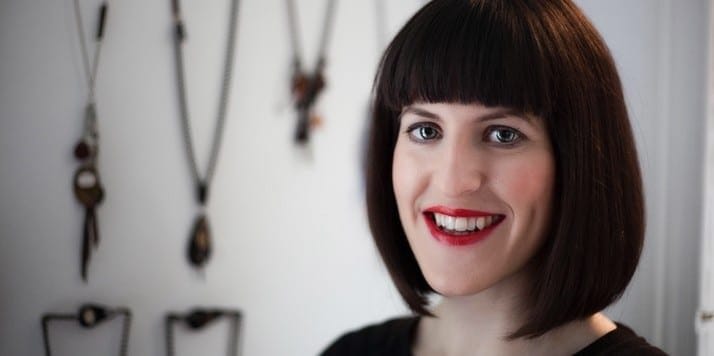
Founded in 2012, The Rustic Rose was a Norwich-based studio run by Lucy Cook and Tamsyn Morgans. Inspired by re-use and recycling, they sourced, stripped and hand-painted vintage and antique furniture, selling online and from their studio to customers who loved authentic, aged painted pieces. When Prowess first spoke to them in 2014, they had just moved into their first dedicated workspace. More than a decade on, their story remains a practical women-led startup UK case study in the creative sector.
The UK women-led business community has grown significantly since then. According to the 2024 Rose Review Progress Report, women now lead around one in five UK employer businesses, and the total number of women-led businesses has risen by 29% since 2018. The original 2019 Alison Rose Review found that just 5.6% of UK SMEs were led by women, and estimated that closing the gender entrepreneurship gap could add up to £250 billion to the economy. Sectors such as sustainable homewares and pre-loved furniture have expanded, driven by environmental awareness and the cost-of-living crisis. Platforms like Etsy, eBay, Vinted and Facebook Marketplace have made it easier than ever for makers to reach national audiences from a small studio. For the wider picture, see Women in Business: Key UK Facts.
Research by the British Business Bank shows that women-led firms are more likely to start with lower levels of external finance and grow organically, which makes lean, cash-flow-focused models like The Rustic Rose’s especially relevant. ONS labour market data shows a substantial number of self-employed women in the UK, many of them running creative ventures from home or a small studio.
What inspired The Rustic Rose founders
Lucy and Tamsyn started the business because they shared a love of painted furniture and French and Scandinavian interiors, and were both at a point in their careers and family lives where they could take the leap. Their inspiration was visual: peeling paint, vintage textiles, faded interiors and the satisfaction of bringing unloved furniture back to life. They also drew on the wider shabby-chic and upcycling movements, which champion re-use over mass production.
Inside a women-led startup UK partnership
The Rustic Rose sourced, stripped and hand-painted vintage and antique furniture, and complemented its pieces with handmade textiles and artwork. At the time of our interview, the founders worked from a studio in Norwich several days a week, running the business as an equal partnership with no other employees.
Lucy’s background as a civil-service PA gave her the organisational and administrative skills to manage accounts, design promotional material and build the website. Tamsyn’s experience in art, modelling and make-up artistry fed into the photography, artwork and creative finishing. Together, they handled the painting and restoration jointly, combining practical, creative and customer-service skills.
The rewards of running the business
For Lucy and Tamsyn, the biggest reward was doing work they loved. Finding pieces that needed care, restoring them and then seeing customers fall in love with the finished item was deeply gratifying. That direct feedback loop is something many product-based founders cite as a key motivator.
The low points and how they overcame them
Logistics proved harder than expected. Finding a reliable courier involved trial and error, and a few pieces were damaged in transit. The experience underlined the importance of vetting delivery partners, photographing items before dispatch and agreeing clear terms for breakages. Eventually they found a local courier who understood the needs of fragile, one-off furniture.
How The Rustic Rose funded its launch
The Rustic Rose was self-funded from the outset. Lucy and Tamsyn personally bought pieces and materials, and built their first website using low-cost or free tools. The business reached break-even quickly, which allowed them to take on premises. Today, founders in a similar position might also explore Start Up Loans for female founders, small-business grants or crowdfunding, but keeping initial overheads low remains one of the safest ways to test a creative idea.
British Business Bank figures to March 2025 show the Start Up Loans programme has delivered more than £1.1 billion to over 100,000 businesses, with women founders receiving around 40% of loans.
Marketing that works for a creative business
Early on, the founders relied on Facebook, Twitter, quality business cards and word of mouth. Their products did much of the marketing for them: strong photography and happy customers generated referrals.
Since then, the landscape has shifted. Visual platforms such as Instagram and Pinterest are now essential for homeware brands, while short-form video on TikTok and Reels can showcase dramatic before-and-after transformations. A consistent brand story, good lighting and clear sizing information help convert browsers into buyers. For more guidance, see our advice on how to grow your business with social media in the UK.
Where women founders can find support
Lucy and Tamsyn credited their families and, above all, each other. A co-founder who understands the physical and emotional demands of the business can be invaluable, especially when balancing work with family life. Beyond the partnership, UK founders can now tap into networks such as the Federation of Small Businesses, local Growth Hubs, women-led enterprise groups and mentoring programmes supported by the British Business Bank.
Many also find peer support through online communities, local maker networks and industry-specific groups, where advice on everything from pricing to packaging is shared freely.
Future plans for The Rustic Rose
At the time, taking on the studio was a major milestone. The founders hoped to maintain it and, eventually, open their own shop, but they deliberately avoided rigid timelines so the business could grow organically around family commitments. That flexible, staged approach is one many women-led start-ups adopt.
Best advice for aspiring founders
Lucy and Tamsyn’s message was simple: if there is something you long to do and you have the opportunity, give it a go. The regret of not trying can outweigh the risks of starting small. Their experience shows that a clear niche, complementary skills, low start-up costs and excellent customer service can turn a passion into a viable business.
For anyone considering a similar women-led startup UK path, start by testing demand at a local market or online, price for your time as well as materials, and invest in good product photography from day one. Whether you are upcycling furniture, making textiles or launching any creative venture, the principles remain the same: start lean, protect your brand, build a support network and let your products tell their own story.
Action steps for your creative start-up
- Validate your idea at a local market or on a low-cost platform before committing to premises.
- Calculate your true costs, including your own time, materials, delivery and platform fees.
- Invest in clear, well-lit product photography and detailed sizing information.
- Research delivery partners and agree written terms for damage or loss.
- Explore Start Up Loans for female founders or local grants if you need growth capital.